
Beautiful packaging. Bad for recycling. It doesn't have to be this way.
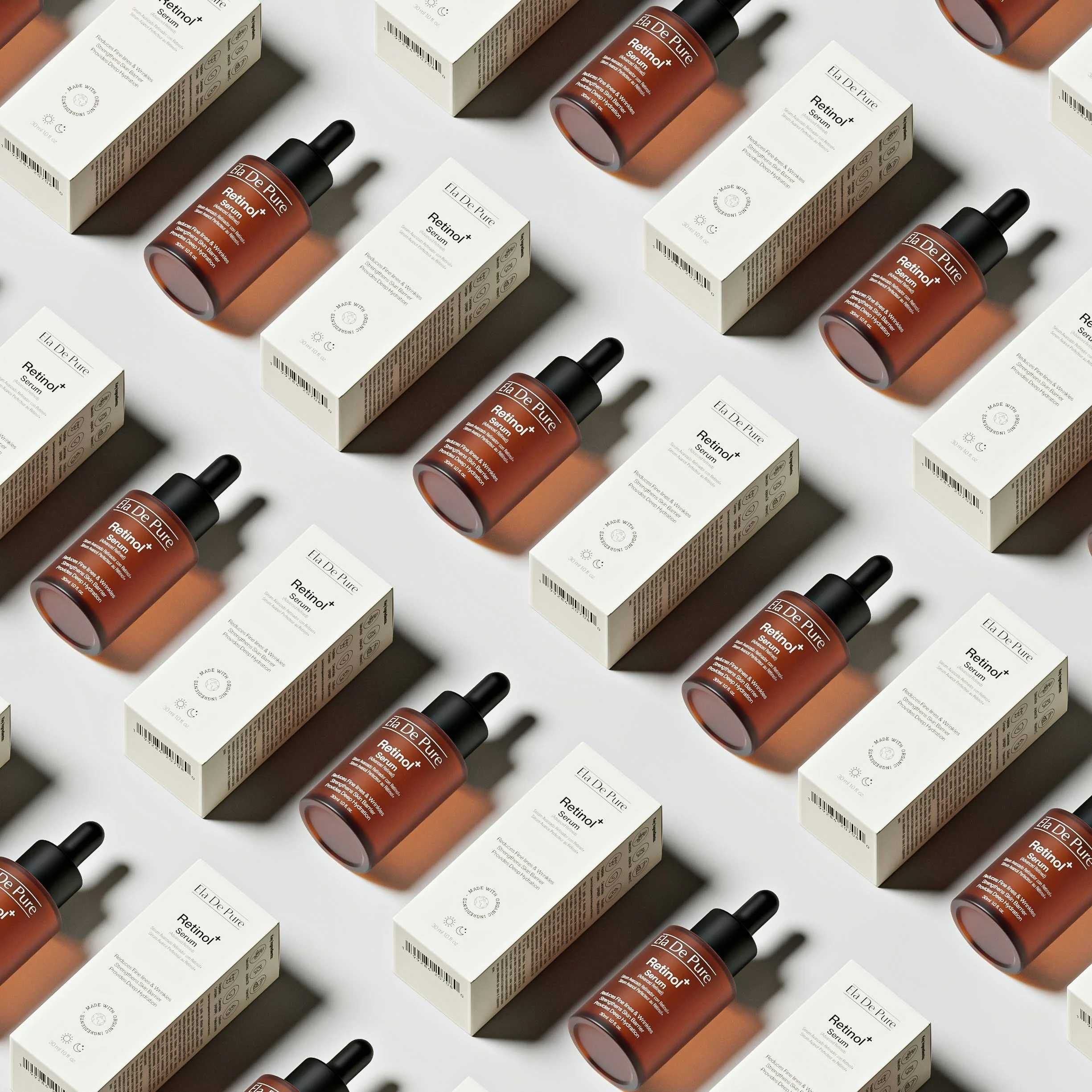
The beauty and personal care industry has had a packaging problem. Not because brands don't care. Most do. But the legacy of this category (multi-component pumps, mixed-materials, small decorative overcaps to name a few) was never designed with end-of-life in mind.
Australia's plastic packaging recovery sits at around 20% (APCO 2023–24 data), far short of the 70% national plastic recycling target. That gap has many causes. Infrastructure is one. Sortation is another. But design is where a significant part of the problem sits, and a lot of the opportunity too.
It's widely cited that up to 80% of a product's environmental impact is locked in at the design stage: decisions made before anything goes to manufacturing or print have lasting consequences.
The regulatory environment is tightening. Consumer expectations are rising. And the brands navigating this well aren't waiting to be told what to do. They're asking better questions earlier.
The regulatory picture: in Australia and globally
In Australia, packaging is currently managed through a co-regulatory framework under the National Environment Protection (Used Packaging Materials) Measure (NEPM), administered by APCO. Brand owners that are APCO signatories report annually on their packaging and progress towards national packaging targets.
Many brands use APCO's PREP tool to assess whether packaging is recyclable in real Australian and New Zealand kerbside systems- not just technically recyclable in theory. The outcome informs the Australasian Recycling Label (ARL), helping brands provide consumers with accurate disposal instructions.
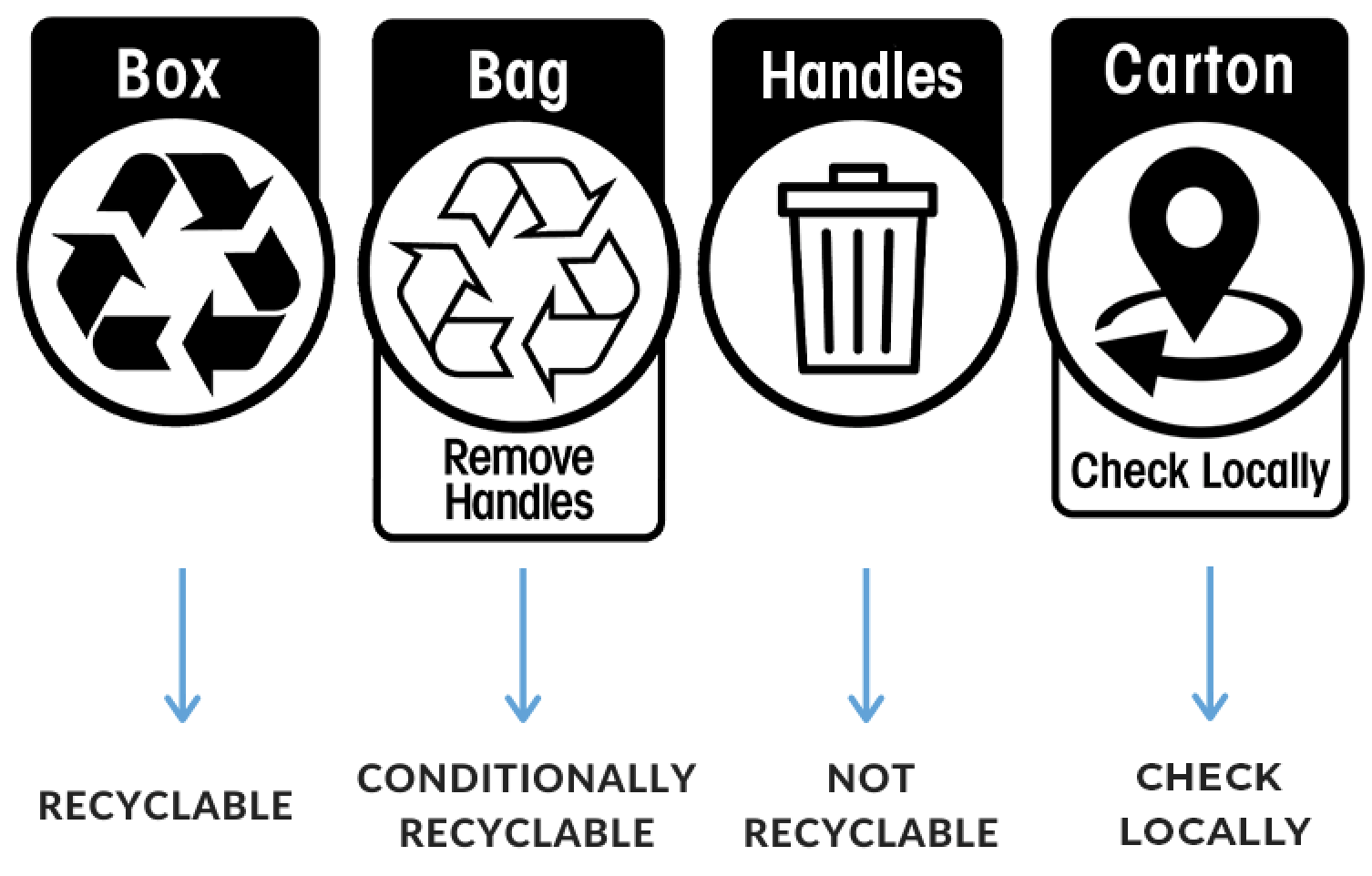
While this co-regulatory system remains in place, packaging reform is gaining momentum. Federal Environment Ministers have committed to exploring nationally consistent product stewardship for packaging, while a proposed Extended Producer Responsibility (EPR) Packaging Bill progresses through Parliament. The Government is also reviewing a Design for Kerbside Recyclability Grading Framework, which could influence how packaging performance is assessed in the future.
For beauty and skincare brands, the direction of travel is clear: packaging will increasingly be judged on how it performs in real-world recovery systems. Sustainability claims are also under growing scrutiny, with the ACCC signalling stronger enforcement action against unsubstantiated environmental claims. The gap between "100% recyclable" on-pack and what is actually recovered presents both compliance and reputational risks.
The global picture adds further urgency for any brand with export markets.
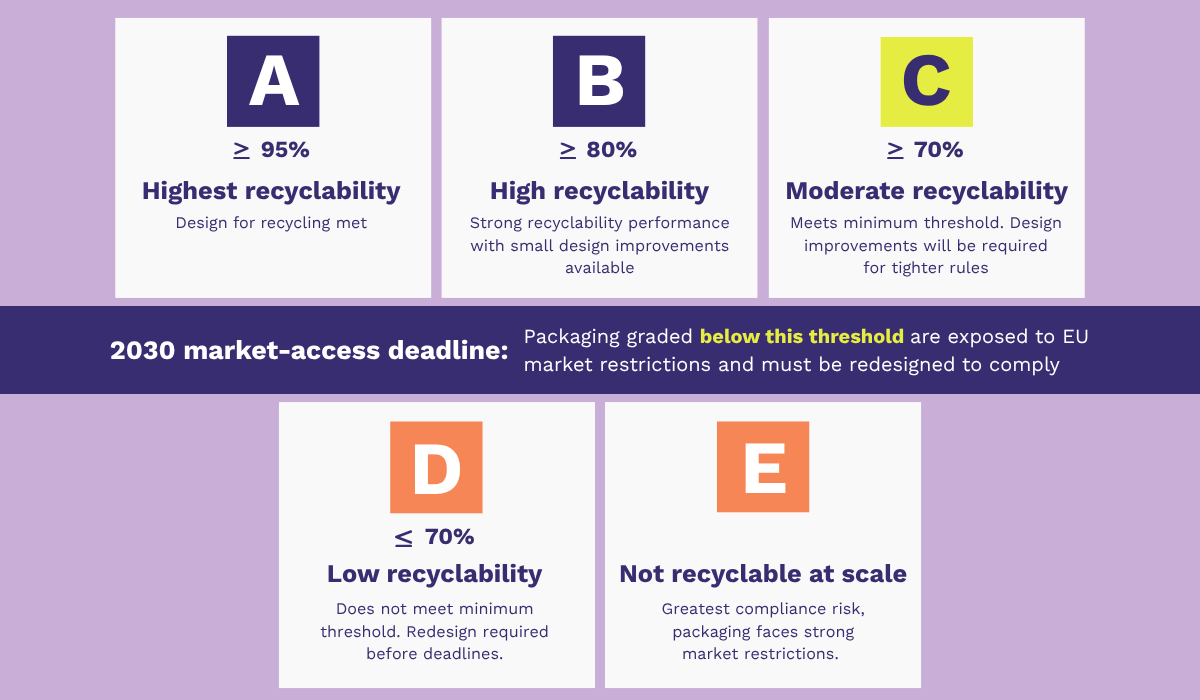
EU PPWR: came into force February 2025, with key obligations from August 2026. Mandatory design-for-recycling criteria, recyclability grades A–E (with Grade being E non-compliant by 2030), and minimum recycled content thresholds will apply in years to come.
Directly impacts primary and secondary cosmetic packaging: skincare, fragrance, makeup.
UK Plastic Packaging Tax: already live. Applies a levy on plastic packaging containing less than 30% recycled content. A cost consideration now for any brand with UK market exposure.
The direction of travel is consistent: prove your packaging performs, or face consequences.
Why beauty packaging is particularly tricky
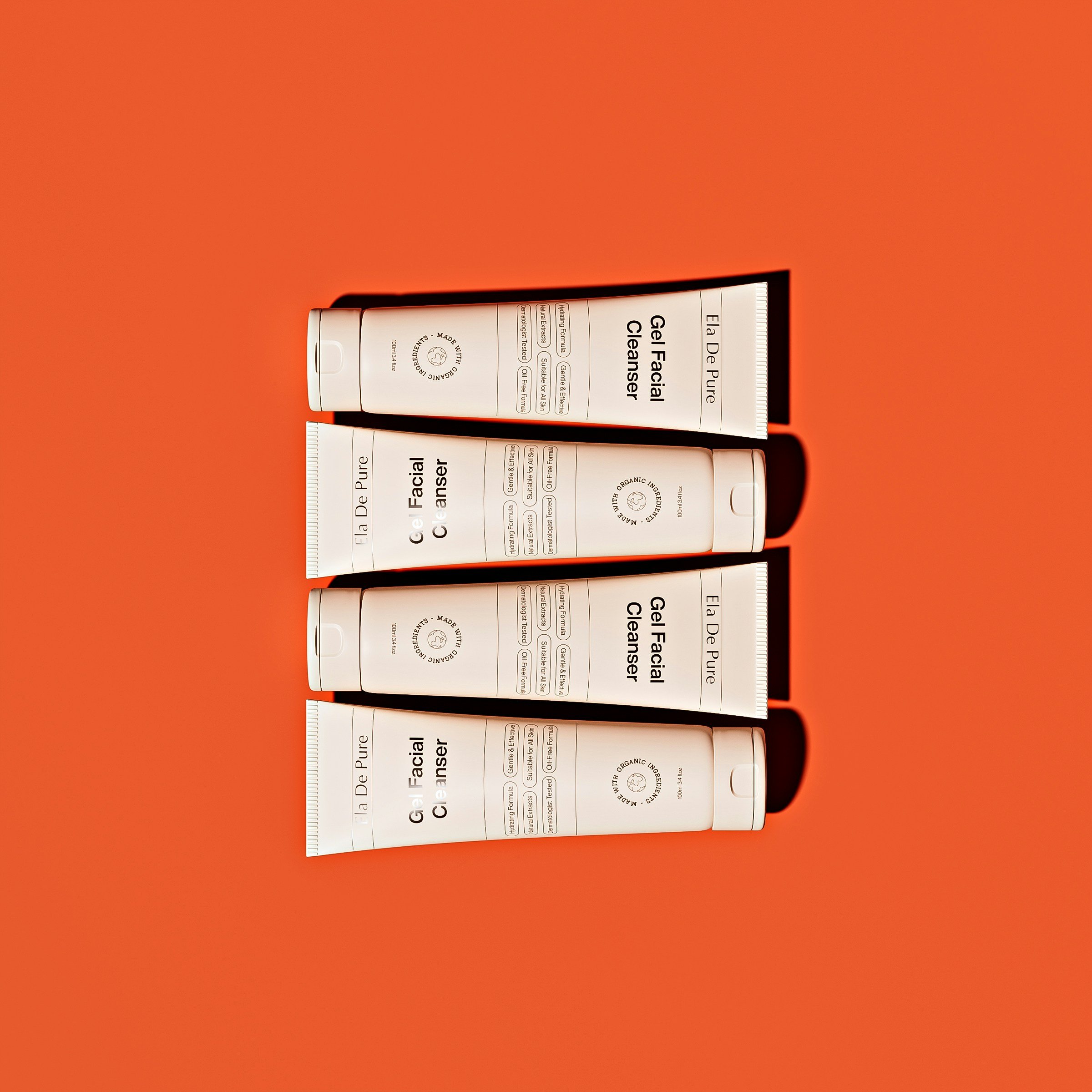
Beauty is one of the more complex categories to navigate when it comes to sustainable packaging. Not because brands aren't trying. Many are investing significantly in this space. But the category's design legacy makes it harder than most.
Premium finishes, tactile experiences, visual differentiation: for a long time, these drove packaging decisions above everything else. The result is a category that includes a lot of multi-material formats, decorative elements, and small components that weren't originally designed with recovery in mind.
But that's changing. The industry is actively exploring new approaches, from mono-material formats and simplified closures to refillable systems and lighter-weight primary packaging. Brands and their agency partners are asking different questions at brief stage, and the pace of innovation is picking up.
It's also worth understanding where the complexity actually sits. Poor recyclability in beauty isn't always a design issue in isolation. Australia's (and many other country’s) kerbside recovery systems are still evolving, and some formats face recovery challenges that aren't fully resolved by design choices alone. Design and infrastructure need to move forward together.
Fragrance is a good example of the exploration underway. Lightweighting, format durability, and alternatives including refillable systems and format experimentation like perfume wax versus liquid all show that even the most experience-led end of this category is actively finding ways to rethink what packaging needs to do.
Design for recyclability: what it actually means
The shift toward design for recyclability isn't about sacrificing brand equity. It's about making smarter decisions at brief stage. In practice, it looks like:
Prioritising mono-material formats where possible. Packaging made from a single material stream is generally easier to sort and recycle. Multi-material combinations can reduce recovery opportunities if materials cannot be easily separated.
Designing for existing collection, sorting and recycling systems. A package is only recyclable if infrastructure exists to collect, sort and reprocess it at scale. Recyclability should be assessed against local recovery systems, not theoretical recyclability.
Removing or redesigning components that hinder recovery. Incompatible finishes, laminates, sleeves, labels, adhesives, pigments and decorative elements can contaminate recycling streams or prevent packaging from being recovered. Explore alternative design solutions that maintain brand impact without compromising recyclability.
Optimising format size, shape and componentry. Small components, complex closures and difficult-to-separate packaging elements can be lost during sorting or reduce recovery outcomes. Simpler designs often perform better in recycling systems.
Providing clear on-pack disposal instructions. Use recognised disposal labels, such as the ARL, to help consumers correctly separate and dispose of packaging components, reducing contamination and improving recovery rates.
Testing recyclability before production. Assess packaging using tools such as PREP during the design phase. Identifying recyclability challenges early avoids costly redesigns and helps ensure packaging is fit for market requirements and recovery systems.
Global brands are already moving.
Consumer interest is real. SPC 2025 research found near-universal interest in refillable skincare options regardless of demographics. The infrastructure and behaviour change required is gradual, but the direction is clear.
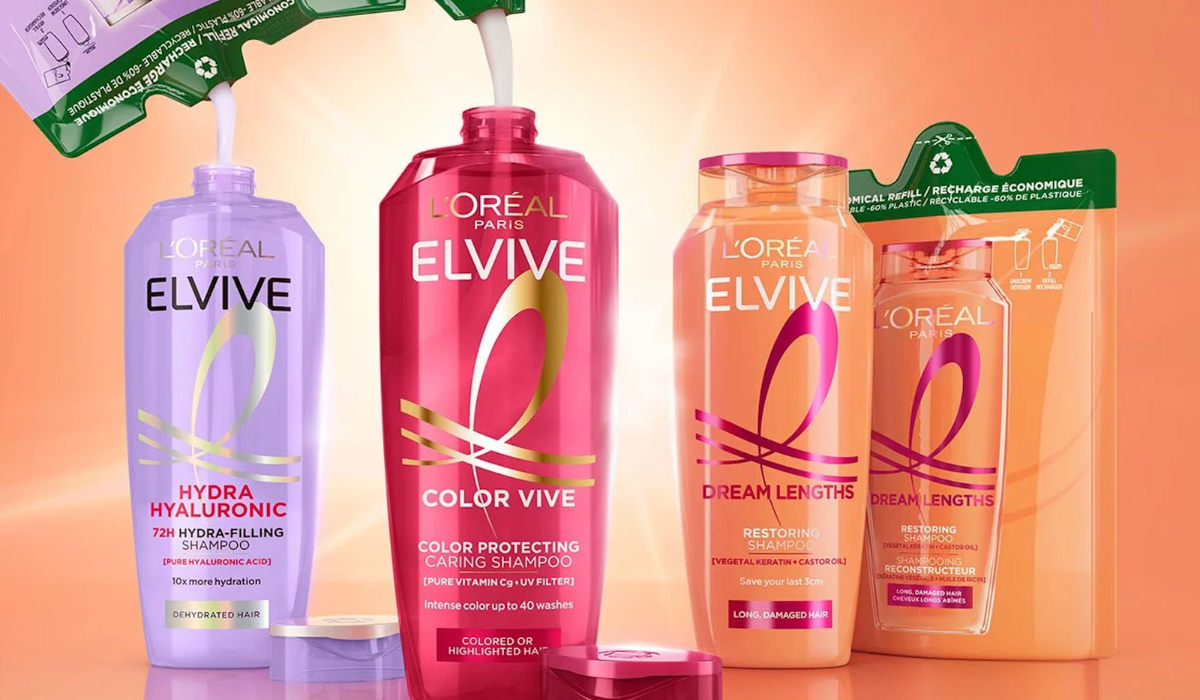
L'Oréal's refill pouches for La Roche-Posay use 73% less plastic per refill than a full bottle.
Guerlain's Orchídée Impériale line uses a moulded cellulose refill jar, bringing refillable formats to the luxury end. UK design studio Morrama has developed refillable systems for lipstick, palette, and pump formats, showing what's possible when agencies lead the sustainability conversation.
Image source: L’Oreal
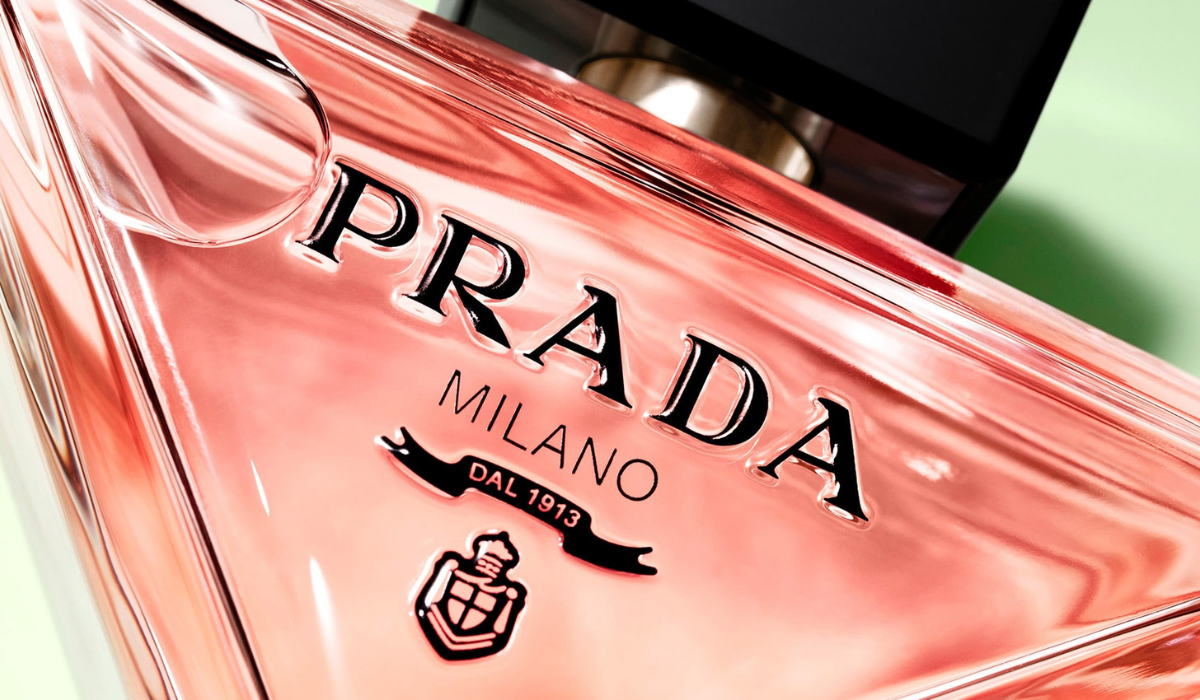
Prada rolled out a refillable bottle in the shape of its iconic triangle logo to launch their new Paradoxe women’s fragrance.
The refill system allows the bottle to be used an infinite number of times. This system was later available for their Luna Rossa Ocean Le Parfum repack and some of their skincare and makeup products.
Image source: Prada
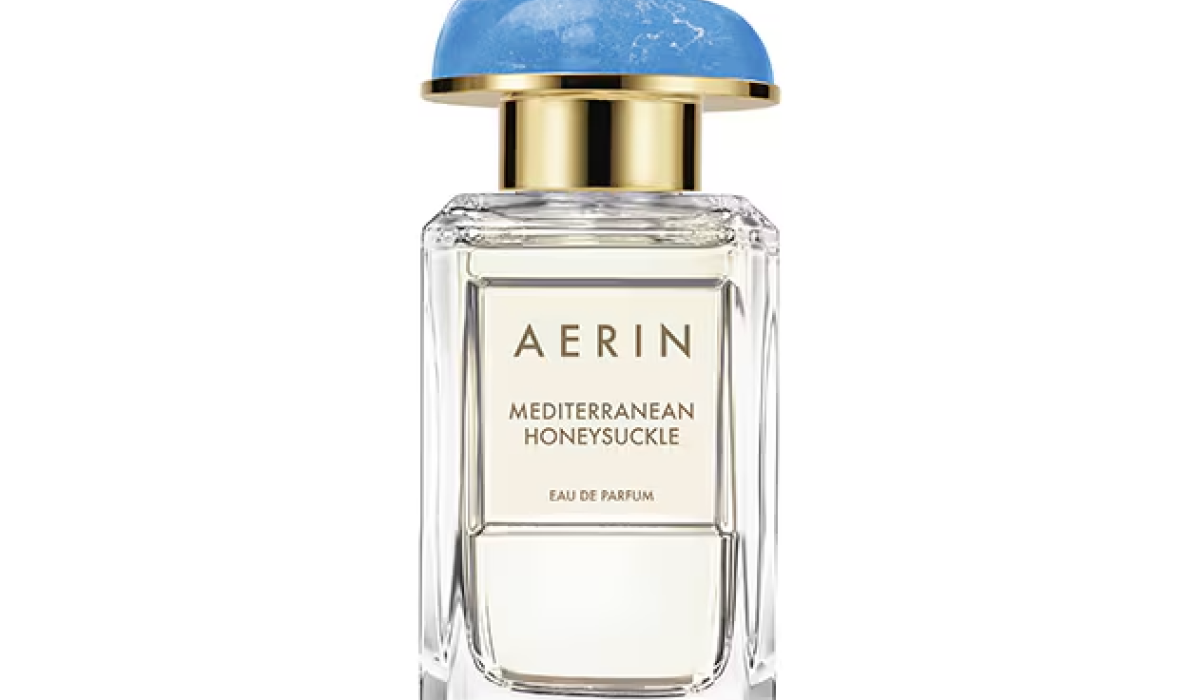
Estée Lauder lightweighted its Aerin fragrance glass bottles by 22% through precision molding, saving 340 metric tons of raw material annually.
Image source: Estée Lauder
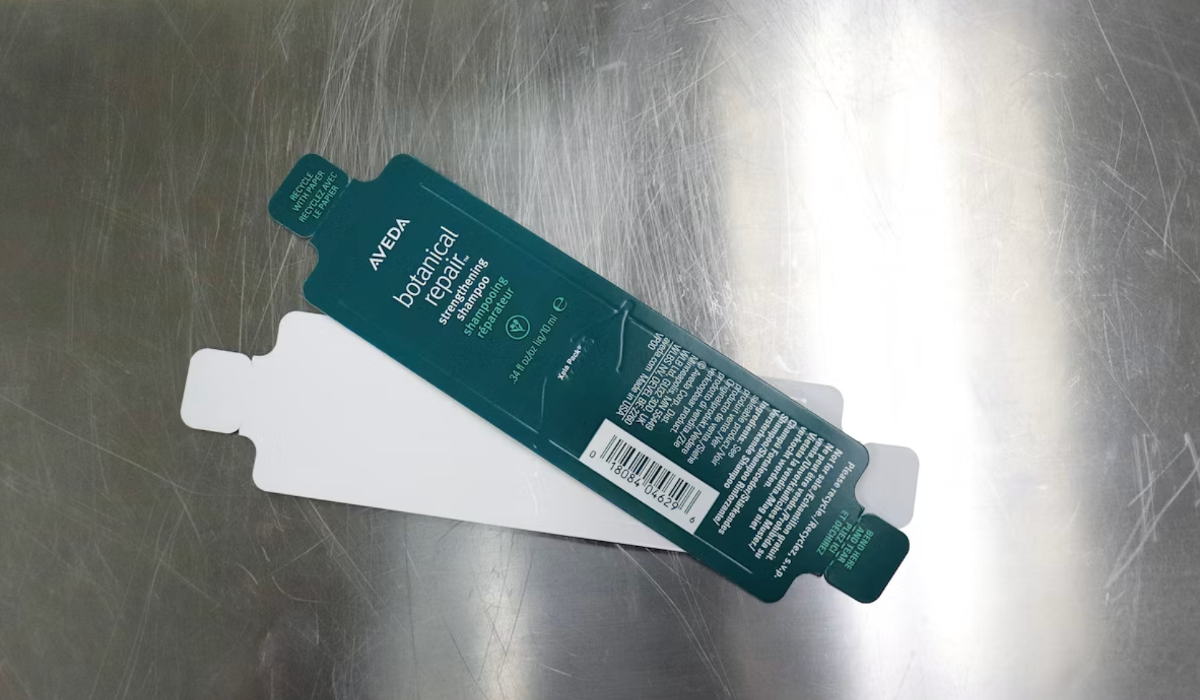
Aveda replaced traditional multi-layer plastic and foil sample sachets with a paper-based format incorporating an EVOH barrier coating.
Designed for kerbside recycling in several markets, the redesign demonstrates how brands can maintain product protection while reducing packaging complexity and environmental impact.
Image source: Pack World
Closer to home, Australian wellness brand Stray Willow Wellness worked with philo & co to transform their packaging range. Through a full packaging audit and strategy, they achieved 100% recyclable and conditionally recyclable packaging, removing non-recyclable pumps and droppers, standardising formats, and integrating labelling requirements directly into primary packaging.

The accessible packaging dimension
There's another design conversation worth having, one that connects more directly to design for recyclability thinking than it might first appear.
Beauty packaging has a usability problem. Difficult-to-open formats, unnecessarily complex mechanisms, over-engineered closures. These are rarely interrogated in the design brief. But they should be.
ByStorm Beauty, an Australian brand founded by Storm Menzies, designs ergonomic tools specifically for people with arthritis, cerebral palsy, Parkinson's, and limited grip. NDIS-registered and built from the ground up with accessibility in mind, ByStorm is a powerful example of what happens when usability is the primary brief, not an afterthought.
Unilever's Degree Inclusive adaptive deodorant was developed directly with people with disabilities. Hook-and-handle cap. Large roll-on applicator. Braille instructions. Design choices that make the product accessible to more users, with less complexity.
“When you design for the edges of usability, you tend to end up with simpler, cleaner packaging overall. The same discipline that removes unnecessary complexity for accessibility reasons can also often removes unnecessary complexity for recyclability reasons.”
What brands and agencies should be doing now
The regulatory environment isn't slowing down. Neither is consumer scrutiny of sustainability claims.
For FMCG beauty brands, the priority is visibility. Without a clear SKU-level view of your packaging formats and their recyclability performance, it's impossible to know where your exposure lies: claims, compliance, or cost. Start with an audit.
Map your packaging against local market regulations and recovery systems.
Review your on-pack claims against ACCC guidance and ISO 14021.
Identify the formats that need to change, and plan for the lead times involved.
Packaging redesign can typically requires 12–24 months once artwork cycles, tooling, and inventory run-down are factored in.
For design agencies, regulatory awareness is now part of creative excellence. Asking recyclability questions at brief stage, before materials, finishes, and formats are decided, is how you protect your clients and differentiate your practice. Brands are increasingly asking these questions. The agencies that can answer them confidently are the ones winning the work.
The advantage doesn't come from avoiding change. It comes from designing ahead of it.
Your best next step to improve your packaging design
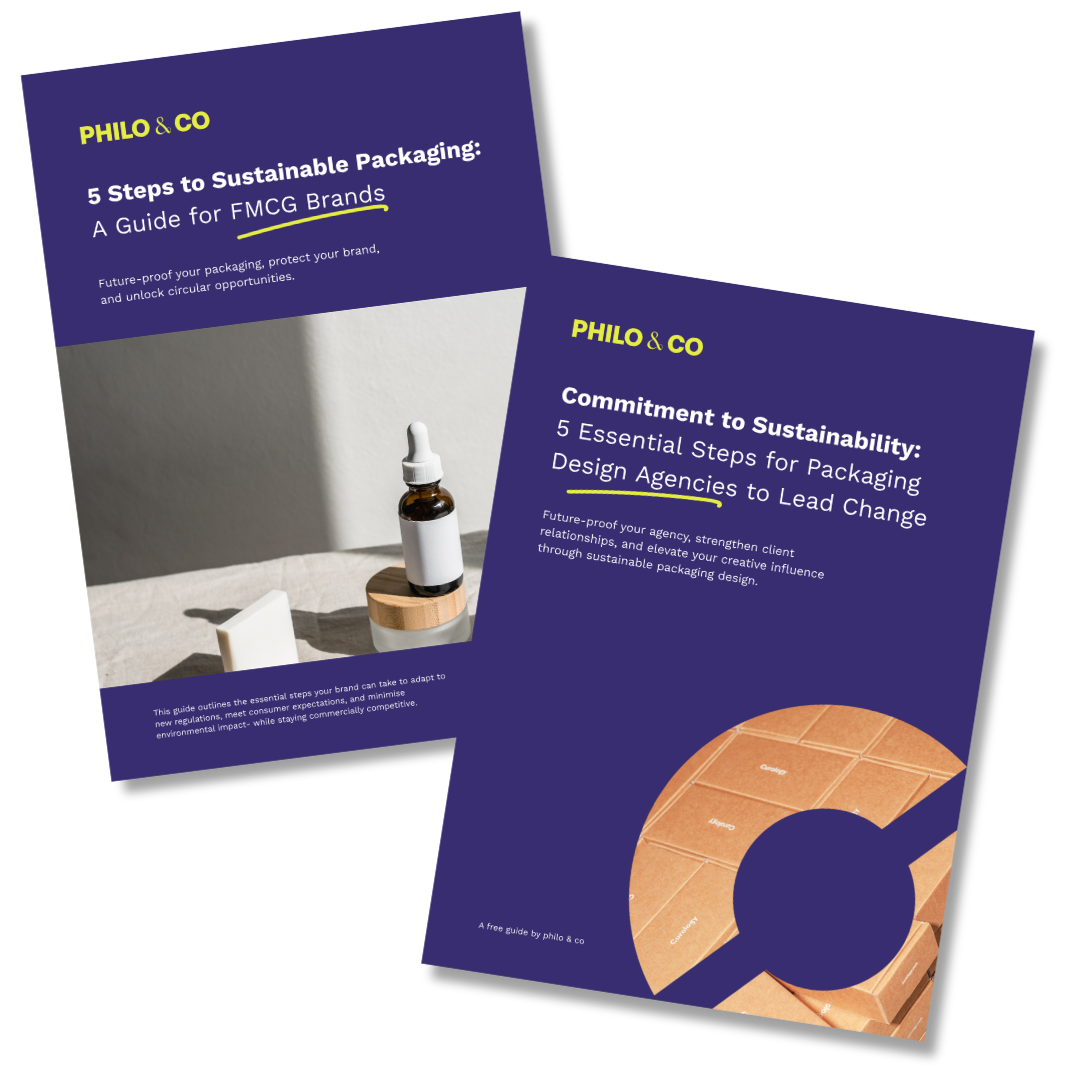
If you're a beauty brand or design agency trying to make sense of what this means for your packaging, we can help.
→ Download the free 5-Step Sustainable Packaging Guide for brands
→ Download the free 5-Step Sustainable Packaging Guide for design agencies
→ Or sign up to Circularity Simplified, our monthly newsletter on packaging regulation, design, and what good looks like in practice.