
Why good packaging design matters more than ever
Packaging design is no longer about looking good on shelf.
In a world of climate urgency, tightening regulation, extended producer responsibility (EPR), and heightened scrutiny of sustainability claims, packaging design has become a core business, risk, and credibility tool for brands navigating sustainable packaging and packaging compliance.
For FMCG brands and packaging design agencies, the stakes are real.
Every design decision either:
reduces emissions and future-proofs the business, or
locks in waste, cost, compliance risk, and reputational exposure across the FMCG packaging lifecycle
Good packaging design today must work across systems, not just surfaces, particularly within circular economy and sustainable packaging frameworks.
Design is where sustainability becomes real in packaging
Packaging design shapes the entire lifecycle of a product, far beyond materials alone, and is central to packaging sustainability and circular packaging design.
Design decisions determine:
what materials are selected and why
how packaging is manufactured, transported, and filled
how consumers interact with it
whether it can be recovered in real-world systems
how sustainability claims are communicated, understood, and trusted in line with green claims codes and ISO 14021 guidance
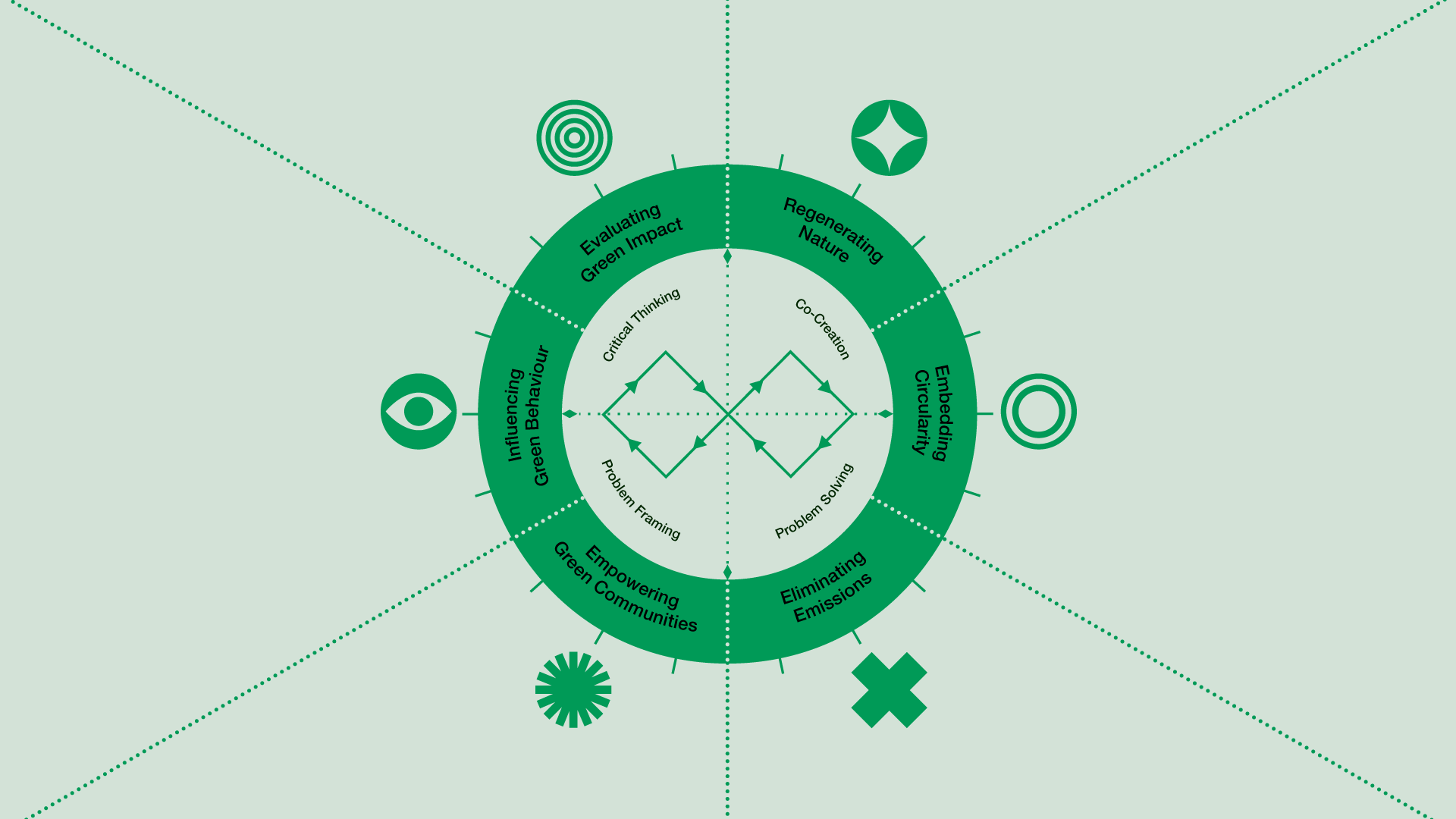
This is why circular packaging design is grounded in three principles:
Design out waste and pollution
Keep materials in use for as long as possible
Regenerate natural systems
But applying these principles well requires more than good intent. It requires designers and brands to understand the nuances and trade-offs embedded in sustainable packaging design decisions.
Lightweighting may reduce carbon, but may compromise recyclability.
Fibre may appear “better”, but fail recovery thresholds or contaminate streams.
“Recyclable” in theory often breaks down in practice when tested against real-world packaging recovery systems.
This is where design moves from aesthetics to systems thinking in sustainable packaging.
Packaging design as a business lever for sustainability
When applied well, packaging design delivers measurable business and sustainability outcomes, not just differentiation, but commercial value through sustainable packaging innovation.
At Reimagine the Future of Packaging (AIP Conference, May 2025), I shared how packaging sits at the intersection of circular design, systems thinking, and human-centred design, making it one of the most powerful levers for transforming FMCG packaging systems.
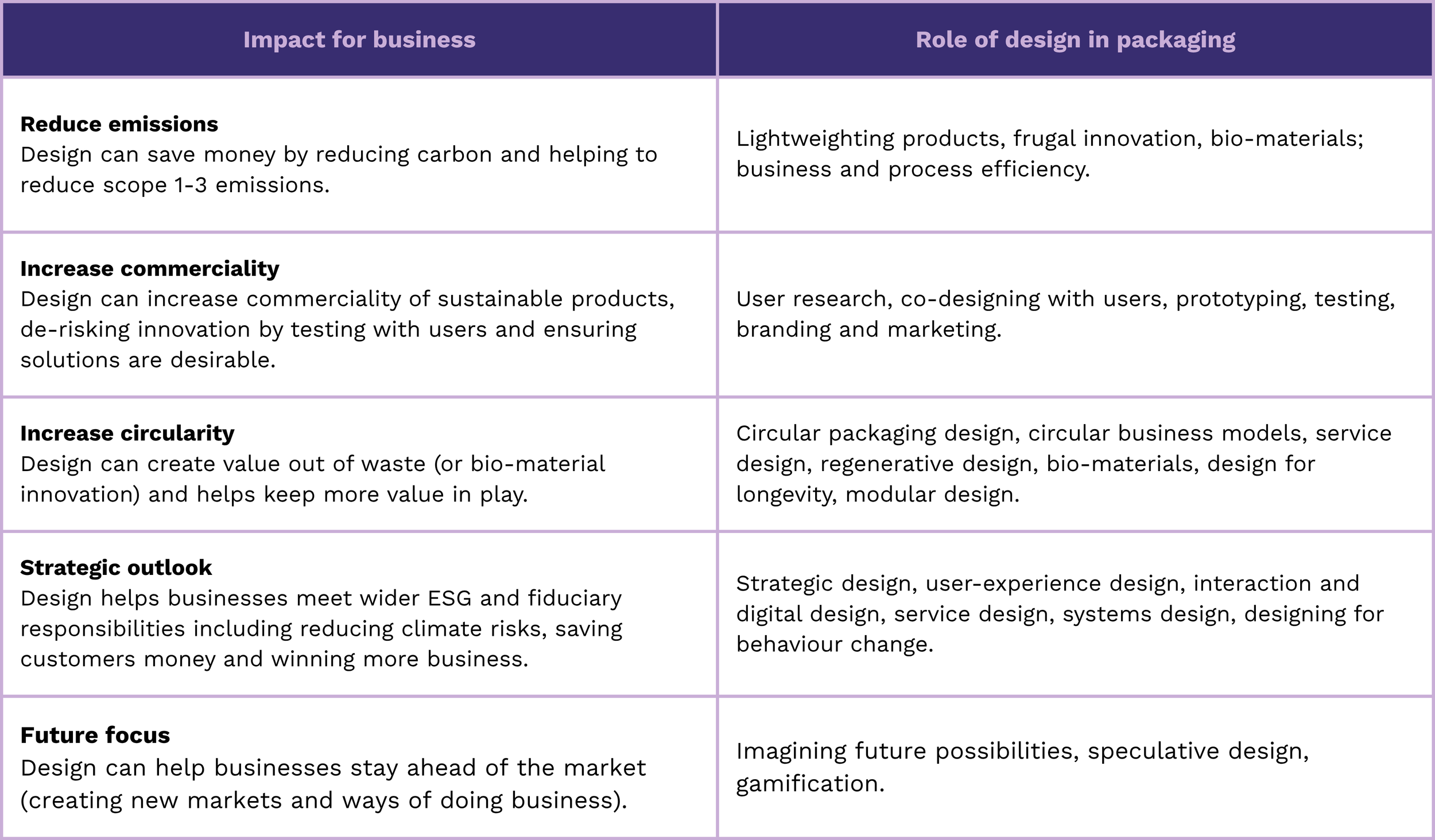
Here are five ways design creates impact- adapted from the Design Council’s Design Economy: The Environmental and Social Value of Design, through a packaging lens:
1. Reducing emissions
Design influences Scope 1–3 emissions through material choice, weight, format efficiency, and supply chain decisions.
Lightweighting, format optimisation, frugal innovation, and process efficiency all sit squarely within the remit of sustainable packaging design and development teams.
2. Increasing commercial success
Sustainable packaging only works if it works for people.
User research, prototyping, testing, and iteration help de-risk innovation, ensure usability, and avoid costly failures, while supporting brand growth through commercially viable sustainable packaging solutions.
3. Enabling circularity
Design determines whether materials stay in circulation or become waste.
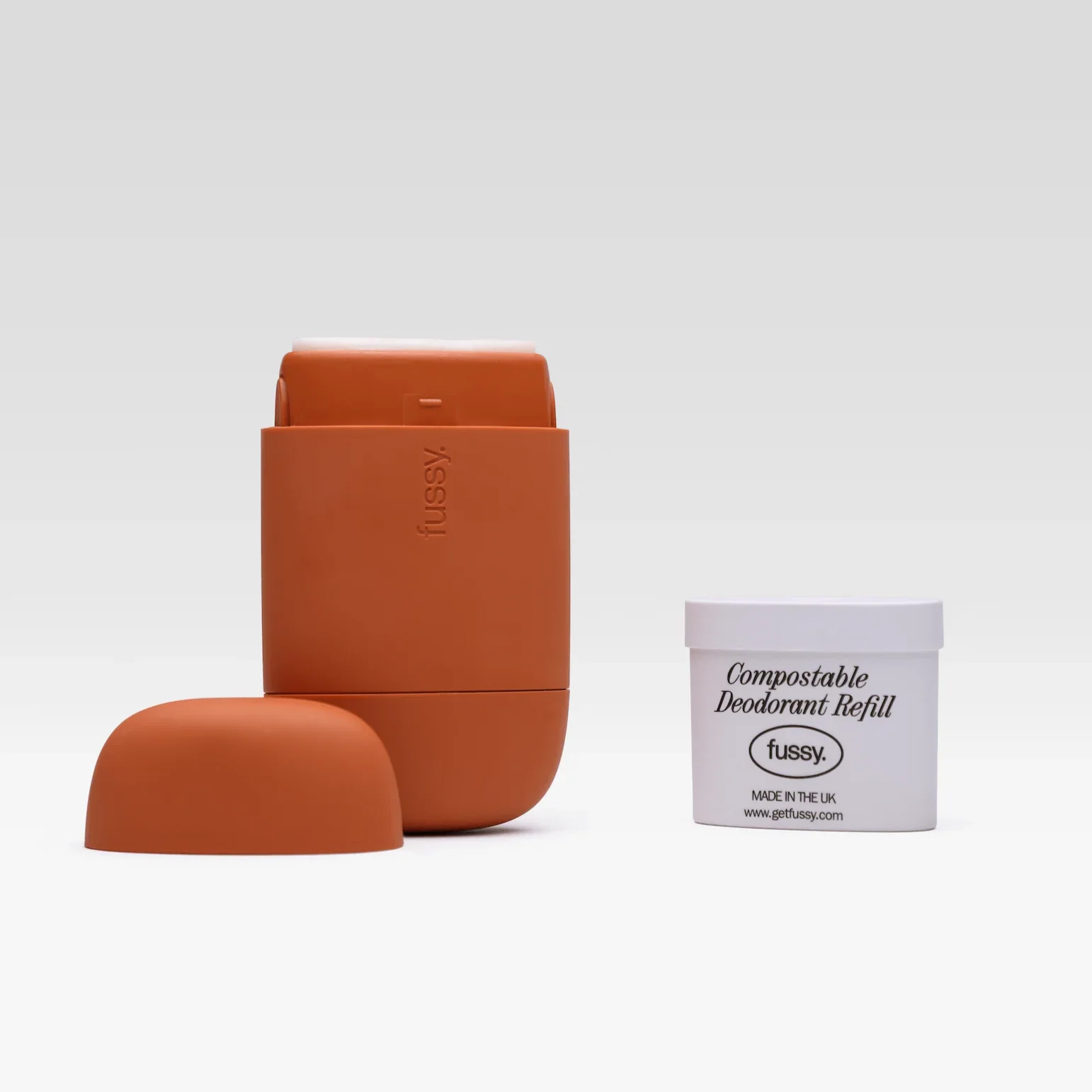
Circular packaging design considers recovery systems, material behaviour, longevity, modularity, and business models, not just the pack itself, supporting circular economy outcomes for packaging.
4. Supporting strategic and ESG outcomes
Packaging design plays a direct role in meeting ESG obligations, regulatory requirements, retailer expectations, and fiduciary responsibilities, particularly within APCO, EPR and eco-modulation frameworks.
Strategic design helps businesses reduce risk, save costs, and build long-term resilience through sustainable packaging governance
5. Preparing for the future
Design allows organisations to imagine and test future scenarios, from new materials and formats to reuse models and behaviour change, before regulation or market pressure forces reactive change in packaging sustainability strategy.
The missing link: communication and credibility in sustainable packaging
What brands say, and how they say it, is just as important as what the packaging is made from, especially in an era of increased scrutiny of sustainability claims and greenwashing.
On-pack claims, icons, sustainability language, and supporting communication all shape consumer behaviour and trust. Poorly designed communication increases the risk of:
greenwashing
greenhushing
noncompliance with ACCC green claims code and ISO 14021
loss of consumer confidence
Good design aligns materials, systems, and messaging- ensuring sustainability claims are accurate, compliant, and meaningful. Designers are uniquely positioned to translate complex sustainability requirements into communication that is:
credible
clear
compliant
and easy to understand
This is where design becomes a guardian of trust in sustainable packaging communication, not just a creative output.
Design for better, not just different
We do not need more packaging. We need better-designed packaging systems aligned with circular economy and sustainability principles.
That means:
engaging designers earlier, before decisions are locked in
valuing creativity alongside compliance and data
empowering cross-functional teams to ask better questions about materials, formats, recovery, and claims
When packaging design is intentional:
brands lead rather than follow regulation
agencies move from decoration to direction
consumers gain confidence in packaging that delivers on its promise
What This Means for You
Future-proof packaging against regulation, EPR, and retailer scrutiny
Reduce emissions and risk through informed design decisions
Strengthen brand trust with credible, compliant sustainability communication
Turn sustainability targets into practical packaging action
Embed sustainability into creative and strategic workflows
Win stronger briefs by understanding materials, systems, and regulation
Position your agency as a long-term partner, not just a supplier
Upskill teams with practical tools that make sustainability actionable






Ready to go deeper into sustainable packaging design?
Good packaging design does not happen by accident. It happens when design, sustainability, and communication work together across packaging systems and value chains.
To help brands and agencies put this into practice, I have created a downloadable guide that breaks down:
• how design decisions impact sustainability outcomes
• where common packaging trade-offs occur
• how to align packaging design with regulation, recovery systems, and credible claims
👉 Download the sustainable packaging design guide for brands and design agencies to start designing packaging that works for business, people, and planet.